Build confidence, precision, and consistency — with the most advanced practice app for musicians. The app trusted by Broadway musicians, Juilliard students, and teachers worldwide.
Trusted by
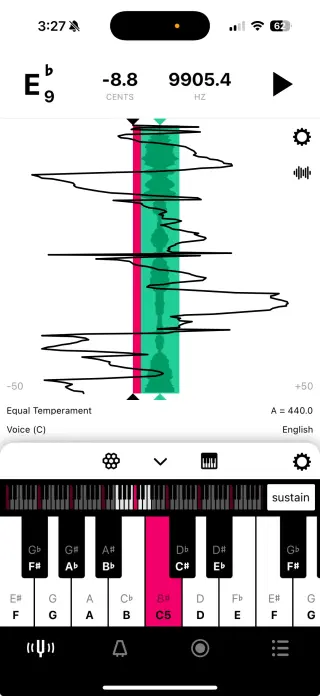
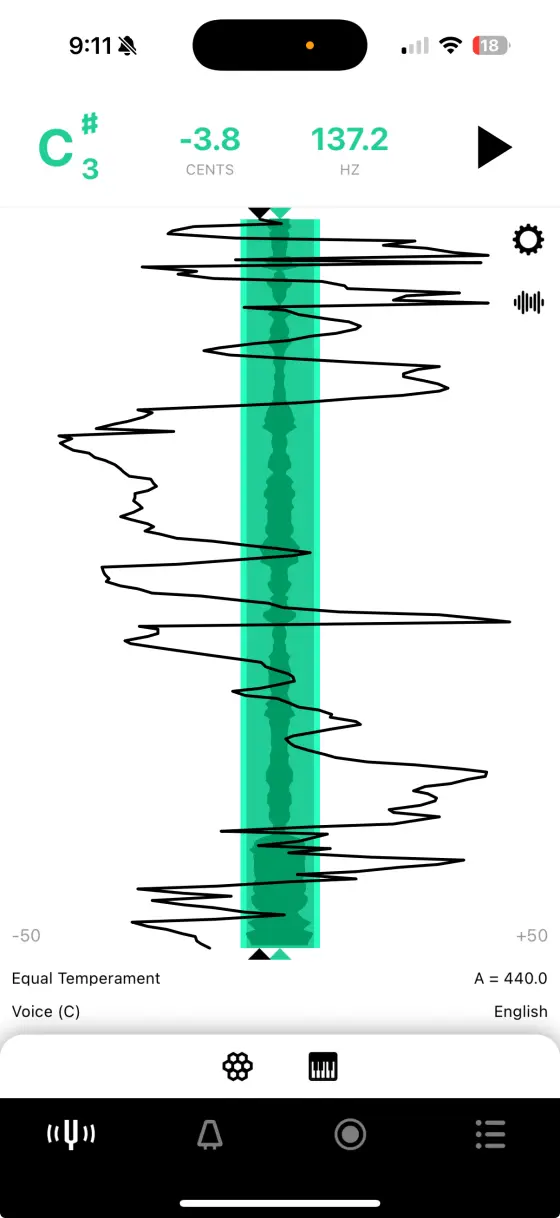
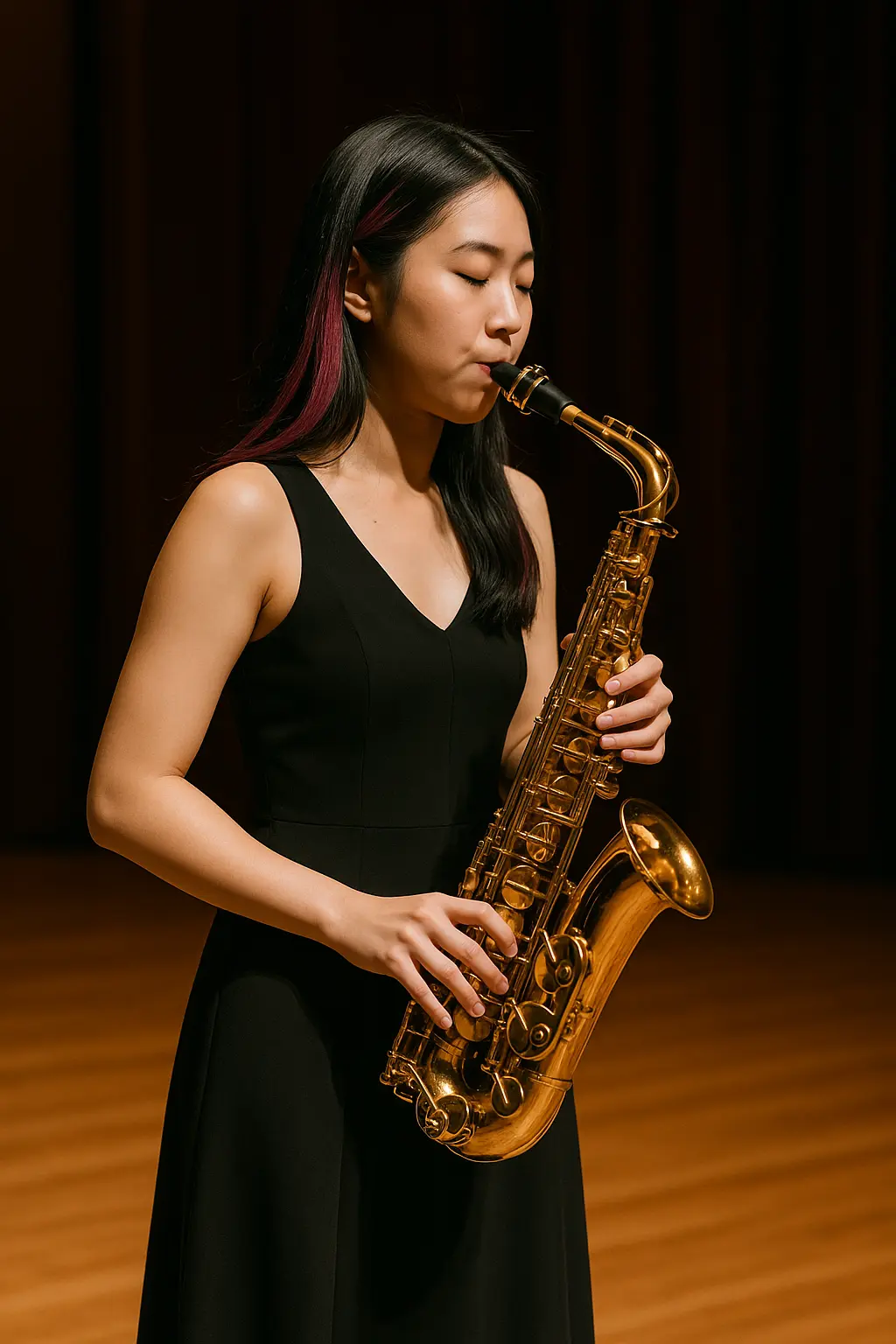
Tunable works with any instrument, from piccolo to tuba, guitar to voice. See every note in perfect clarity with Sustained Pitch History™ and detailed intonation analysis. Perfect for beginners and professionals alike.
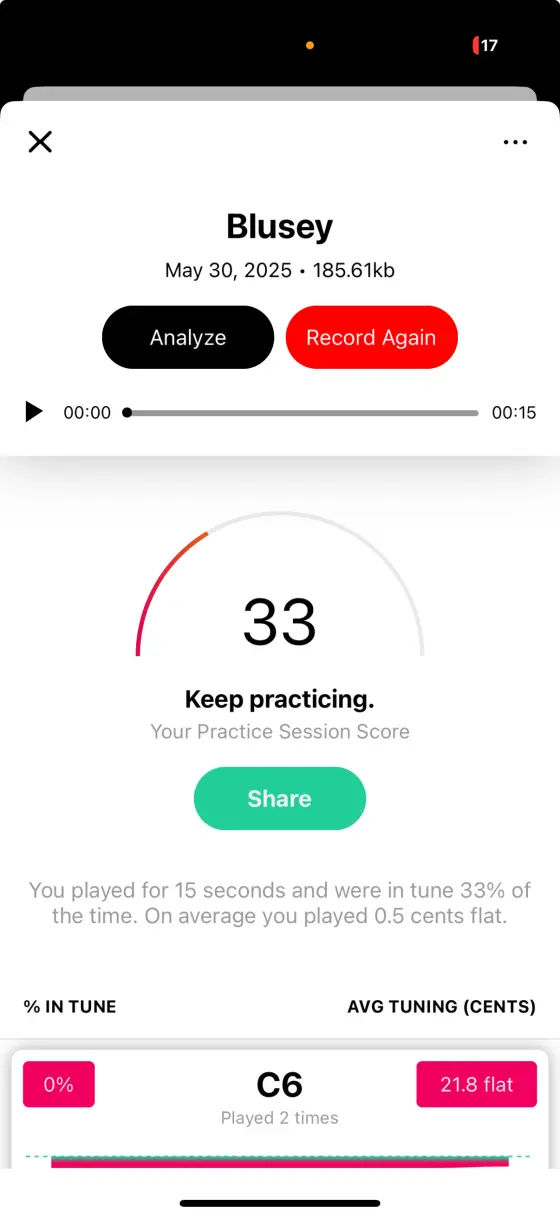
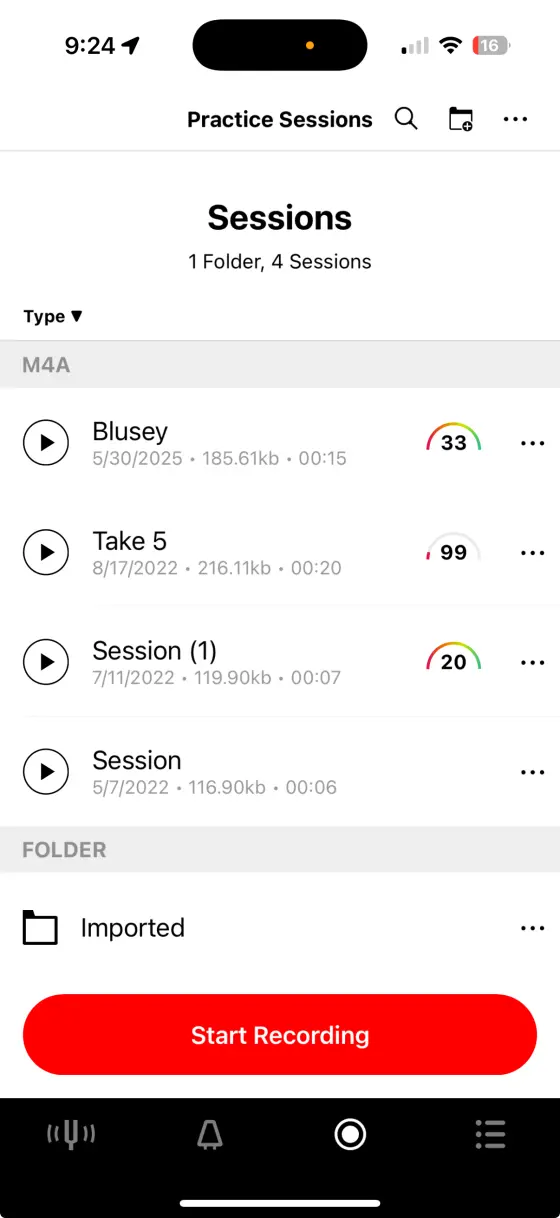
Track your practice sessions with detailed analytics and Practice Score™. See your improvement over time and identify areas that need more attention. Perfect for teachers and students alike. alcpt form 121
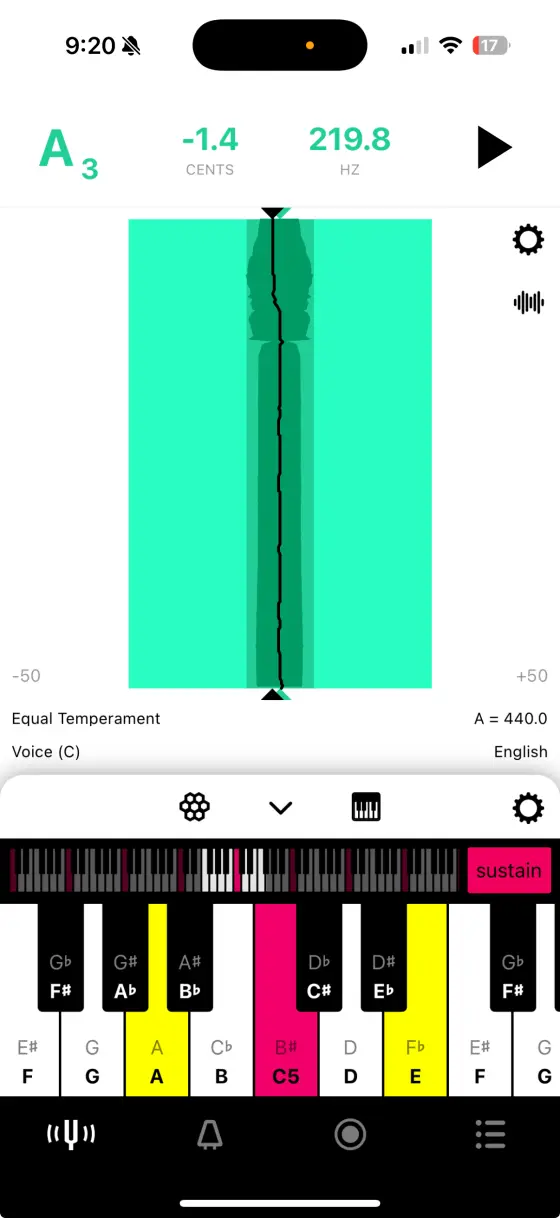
Use the tone and chord generator to improve your intonation. Sustain notes and chords to hear the difference between them and play along them to train your ear. When doing practice questions, simulate exam conditions
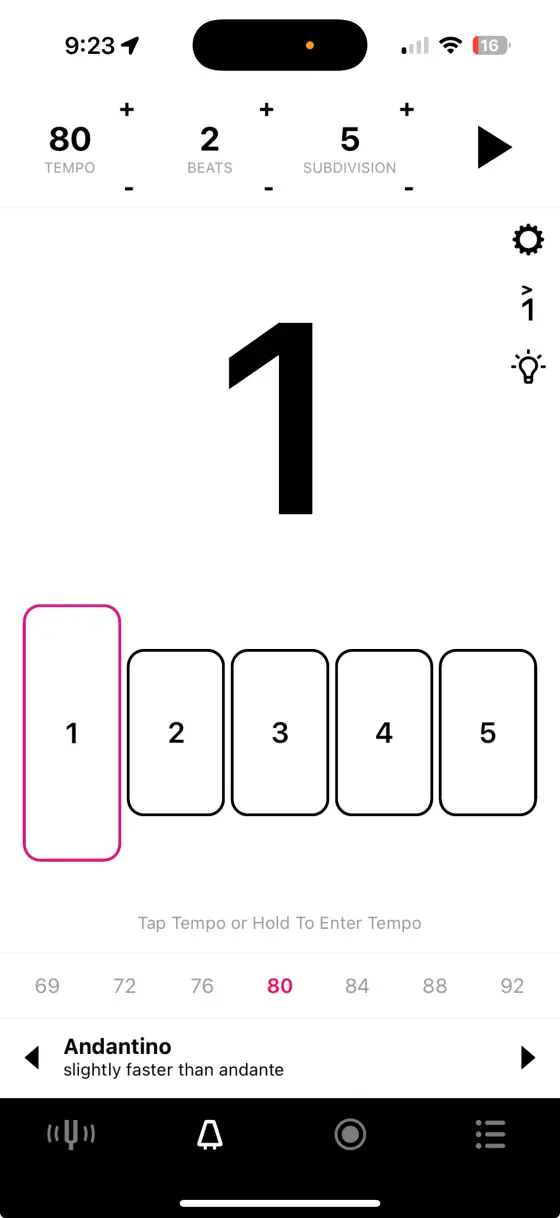
Use the advanced visual metronome with precise and multi-device synchronization* to keep time; perfect for individual and ensemble practice. Structure : The test is divided into two
Capture your performances to share, improve, or listen to. Add studio-quality reverb and share recordings with teachers or review your progress. Perfect for audition prep.
Tunable grows with you. Start as a beginner, develop your skills, and join the ranks of professionals who rely on Tunable every day.
Build confidence with practice feedback and clear visual cues
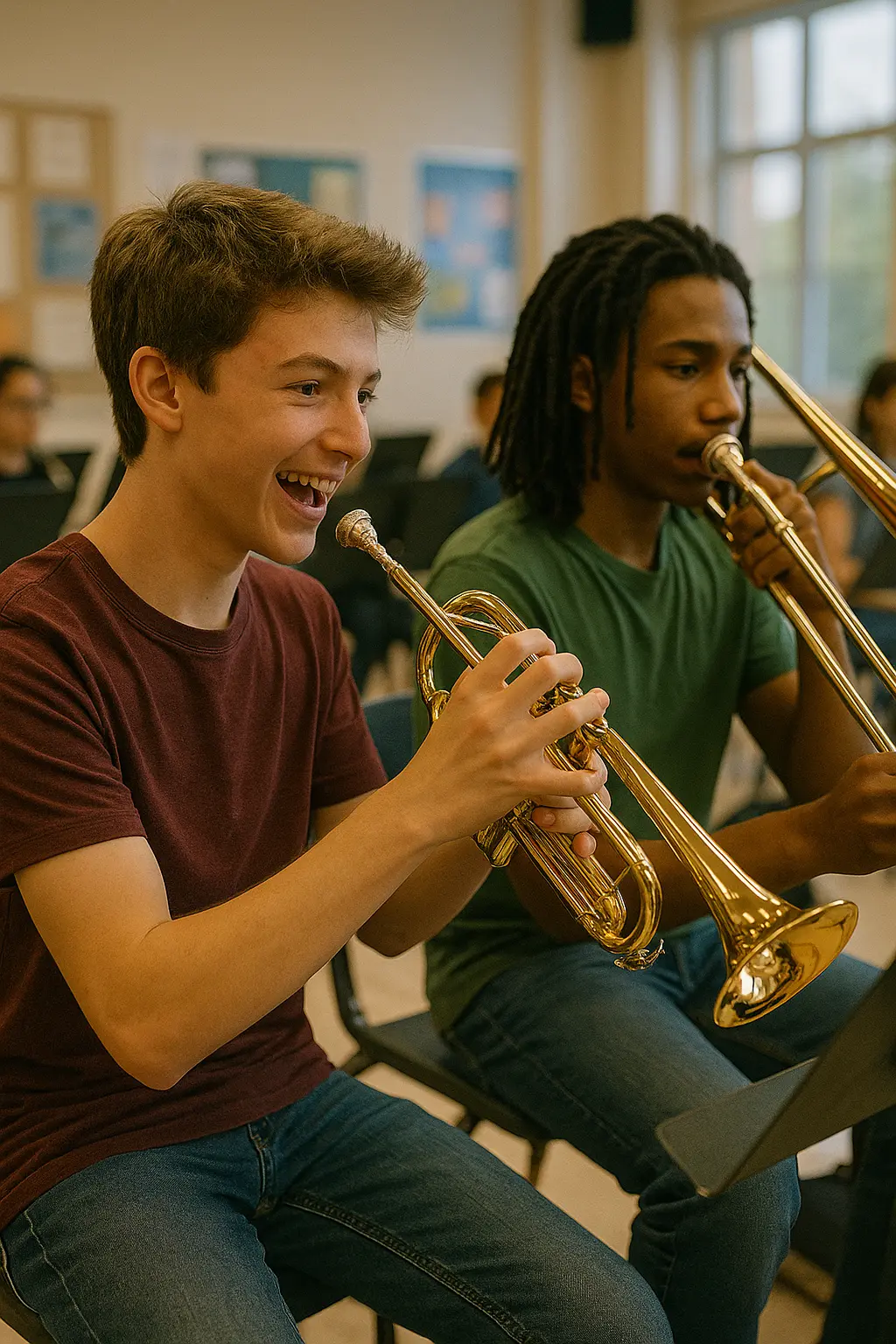
Broadway musicians and Juilliard students trust Tunable for precision
Share recordings and track student progress with detailed analytics
When doing practice questions, simulate exam conditions. Do not stop to look up words in a dictionary; practice guessing based on context clues just like you will have to do on exam day. Final Thoughts
: Like most ALCPT forms, it consists of 100 multiple-choice questions . Structure : The test is divided into two primary sections:
The listening section of Form 121 relies on a proctor’s voice or an audio recording. Candidates hear a short statement or question followed by three possible written answers in the test booklet. Key features include:
The first fifty questions were a blur. A voice over the speakers asked about a man buying a suit; another described a flight delay in Chicago. Elias felt his pulse in his temples. He remembered his mentor’s advice: "Don't translate in your head, Elias. If you're thinking in your own language, you've already lost the next three questions."
You will hear a question or a statement and must select the best response or paraphrase from your test booklet.
Each ALCPT form—including Form 121—contains 100 multiple-choice items and is divided into two parts: Listening and Reading. The specific split between listening and reading items varies depending on when the form was created. Prior to 2025, forms generally used a 66/34 split (66 listening, 34 reading). But with the publication of the 2025 ALCPT Handbook, forms numbered 151 and higher now use a 50/50 split, which brings the ALCPT into closer alignment with the ECL test. Since Form 121 was likely produced before that change, it follows the earlier structure.
Each correct answer earns 1 point. There is no penalty for guessing.
: 34 items focused on reading comprehension and grammar.
: Includes written questions, sentence completion tasks, and short paragraphs.
Most successful candidates begin preparing 4–8 weeks before the exam. Dedicate at least 30 minutes each day to listening practice, supplemented by grammar and vocabulary review. Take a diagnostic test at the beginning to establish a baseline, then focus your efforts on the skill areas where you need the most improvement.

When doing practice questions, simulate exam conditions. Do not stop to look up words in a dictionary; practice guessing based on context clues just like you will have to do on exam day. Final Thoughts
: Like most ALCPT forms, it consists of 100 multiple-choice questions . Structure : The test is divided into two primary sections:
The listening section of Form 121 relies on a proctor’s voice or an audio recording. Candidates hear a short statement or question followed by three possible written answers in the test booklet. Key features include:
The first fifty questions were a blur. A voice over the speakers asked about a man buying a suit; another described a flight delay in Chicago. Elias felt his pulse in his temples. He remembered his mentor’s advice: "Don't translate in your head, Elias. If you're thinking in your own language, you've already lost the next three questions."
You will hear a question or a statement and must select the best response or paraphrase from your test booklet.
Each ALCPT form—including Form 121—contains 100 multiple-choice items and is divided into two parts: Listening and Reading. The specific split between listening and reading items varies depending on when the form was created. Prior to 2025, forms generally used a 66/34 split (66 listening, 34 reading). But with the publication of the 2025 ALCPT Handbook, forms numbered 151 and higher now use a 50/50 split, which brings the ALCPT into closer alignment with the ECL test. Since Form 121 was likely produced before that change, it follows the earlier structure.
Each correct answer earns 1 point. There is no penalty for guessing.
: 34 items focused on reading comprehension and grammar.
: Includes written questions, sentence completion tasks, and short paragraphs.
Most successful candidates begin preparing 4–8 weeks before the exam. Dedicate at least 30 minutes each day to listening practice, supplemented by grammar and vocabulary review. Take a diagnostic test at the beginning to establish a baseline, then focus your efforts on the skill areas where you need the most improvement.

Join millions of musicians who practice with confidence. Download Tunable and discover what you're truly capable of.